
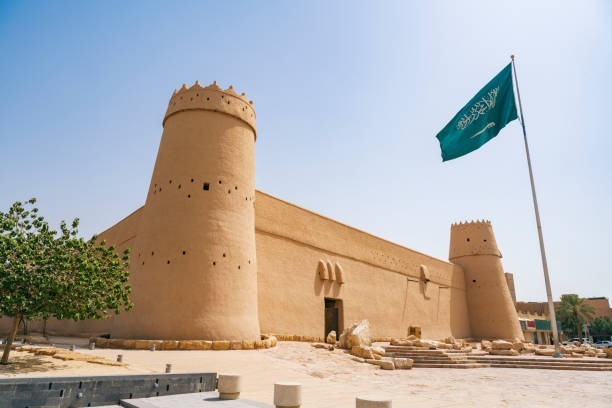
A country where contemporary beauty and historic beauty merge very naturally. Tourists could enjoy a lovely time here. Saudi Arabia’s cultural legacy is powerful and varied. Found in ancient communities all around the nation, treasures come from a civilisation long gone. Though it reveres its rich past, this area is always changing. Encounters inspire tourists to investigate their nation’s past and legacy.
Exploring Saudi Arabia’s Ancient Heritage Sites
Mixing the contemporary with the ancient, Saudi Arabia offers a sensory and spiritual experience rooted in history. With a wide range of Umrah package options available from the USA, American Muslims have an excellent opportunity to combine their pilgrimage with meaningful cultural exploration. Whilst the Kingdom presents foreign visitors at its doorstep by opening up, its historic cities are being visited by tourists. The reason is that these packages combine visits to historic sites with their pilgrimage. From Nabataean giant ruins to ancient trade cities, Saudi Arabia is a once-in-a-lifetime experience for everyone.
Jeddah
Jeddah is the same city in Saudi Arabia where the past and tradition meet. A town where the past and present blend in proportion and harmony. First selected as a UNESCO World Heritage site, ancient Al-Balad transports you back to Saudi Arabia’s golden era. I am amazed by its coral-topped homes with graceful carved-wood balconies as I wander through its Al-Balad alleys. See the tour of the freshly restored Quranic Pavilion, an exhibit created to guide you across Jeddah’s history.
Medina – The City of Peace
“City of Celebration.” Otherwise known as Al-Madinah al-Monawara, it is the most awaited city that will take Makkah’s place. It is a very old city because it became the hometown of Prophet Muhammad (PBUH) after Hijrah. It is a city of many sites of unequalled historical significance and a Muslim holy city. Evidence of the city’s spirituality comes from the three Islamic mosques, Quba Mosque, Masjid an-Nabawi, and Masjid al-Qiblatayn. They remain core symbols to date in Islamic history.
Taif – Mountain Retreat
A quiet retreat, if a cold one, Taif has a comparatively cooler climate and hilly landscape, famous for roses and fabled perfume mills. Arabian summer resort and sun relief cooling vacation destination. The Crown Prince Camel festivals and Souq Okaz festivals in August.
More renowned, though, is the Al Hada Mountain, down which one rides on a cable tram in beautiful vistas. Goes through rose gardens set above and walks along charming promenades. Cooling water park and toboggan slide in Al Kar Tourist Village comprise the city proper. The city proper comes after hotel and resort investment, which is mostly cultural and artistic. A tour of the Shubra Palace of the former chiefs is not possible after the old and new palaces are integrated. A walk in the peaceful palace gardens is a heaven in your schedule.
Great City of Makkah
The centre of the Islamic state was established during the earliest period of Islam within the holy land. Built upon the teachings of the Quran and the guidance of Prophet Muhammad (peace be upon him), this sacred land holds deep spiritual importance for Muslims. Every believer dreams of performing the holy pilgrimage and carefully considers the ideal time to go for Umrah to ensure a meaningful and comfortable experience. American Muslims first need an Umrah visa to complete this sacred journey, allowing them to fulfil their lifelong aspiration of embarking on a blessed journey of Umrah and Hajj at least once in their lifetime.
Al-Ula – A Journey Through Time
Saudi Arabia’s ‘open-air museum’ Al-Ula Ancient Oasis features rock formations. Along with archaeological sites from centuries ago. The holiday paradise of the vacation adventure tourist is well covered for most Muslim visitors to Saudi Arabia. Not only for their sacred pilgrimage, Hajj and Umrah, but also to experience a close contact with the sunny culture and Saudi Arabian history.
Diriyah
It is a Saudi archaeological complex, the Saudi cradle, which is an archaeological time capsule of Saudi Arabia’s childhood. This old capital of yesterday’s size is still in the era of Saudi Arabia, and today it is the amazing UNESCO World Heritage site of the modern world.
You have your own recreational style copied from the core of the ancient city founded in 1446 AD. You are present here now in Saudi Arabia in its early phases with medieval roadways, cultural zones, and natural zones. Strategically located on the banks of Wadi Hanifah, north of Riyadh, Diriyah will be a global cultural centre. Its ancient structures are where museums take you back to the past, and hence, it is a landmark.
Conclusion
Saudi Arabia’s historic landmarks place you in the position of mastering the multifaceted and complex Kingdom of the past. They have something to say and us to lead a culture that has dominated the Arabian Peninsula for centuries. To curious tourists who would love it all in bulk to feel a sense of historical equality. These much-hyped Saudi Arabian ancient wonders are a must-see. Muslims from the USA are also drawn to these destinations, combining their spiritual journeys with the opportunity to explore the Kingdom’s luxury offerings and historical treasures.